
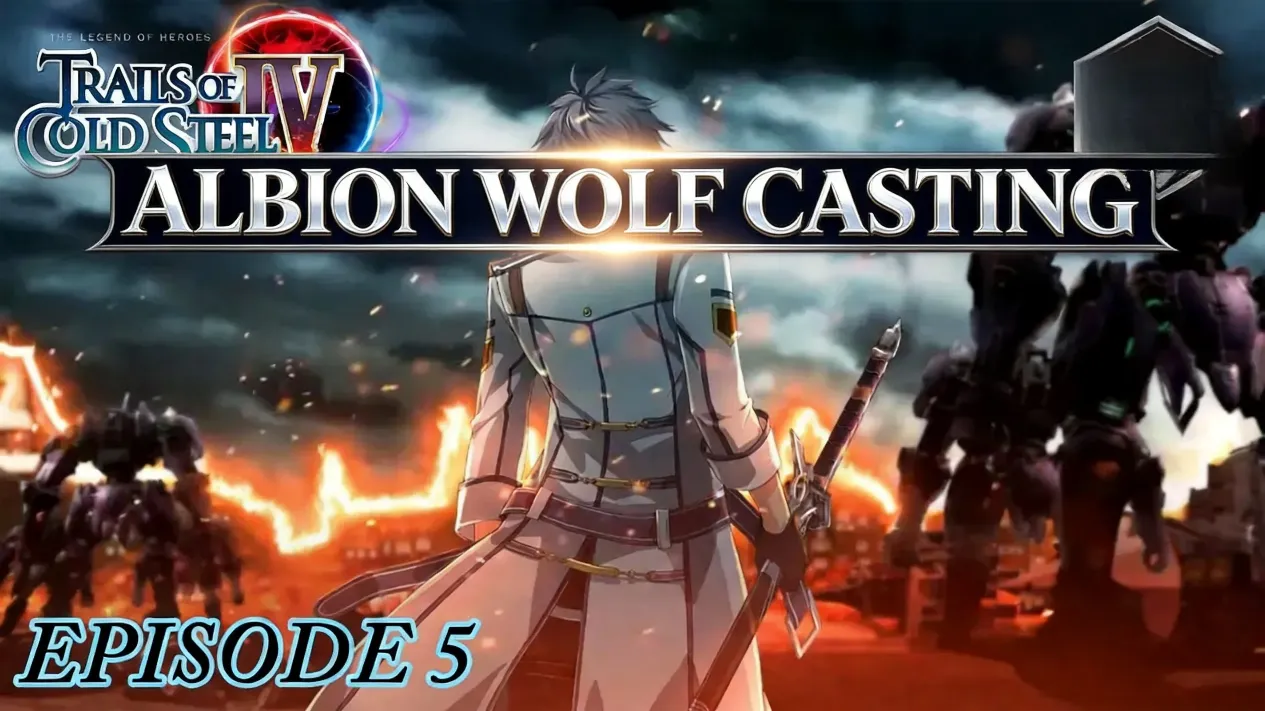
I still remember the first time I dropped Albion Wolf on a packed Reverie Corridor wave in October 2026. It looked like the ultimate answer: 4S power, XL AoE, Mirage damage, and random status ailments. Then the boss took a full turn before my spell landed, and I learned the hard truth. A delayed nuke is just a fancy way to lose tempo. So I rebuilt my casters around zero-cast loadouts, turn economy, and element matching. Here is what I run on Emma, Musse, and sometimes Renne.
Core Elemental Nukes: Mirage, Water, Fire, Wind
When I want to erase a field, I start with Albion Wolf. It is the strongest non-Lost Art for large packs: 4S, XL AoE, Mirage, and annoying status procs. If enemies do not resist Mirage, this is my default opener. Diamond Nova is my reliability pick at 3S, because 100% Freeze unless immune often matters more than raw damage. It is the emergency control button when I need to stop a dangerous turn.
For weakness checks, Prominence Roar gives 3S+ Fire with burn utility. Ixion Volt is 3S Wind, fast, and has a high Seal chance, which I love against evasive or arts-heavy enemies. Then there is Grail Labyris, the 5S Lost Art. I save it for phase transitions or boss bursts. It deals massive Mirage damage and grants CP +200 plus Arts Guard, but Lost Arts are once per battle. Treat it like a panic button, not a rotation.
Cast-Time & Delay Reduction: The Zero-Cast Engine
Zero-cast is not one stat. I prioritize both halves: cast time and post-cast delay. Diabolos Gem cuts cast time by 50% and raises ATS, so my Albion Wolf resolves before the boss acts. Skanda Gem adds SPD and more cast reduction. Early on, Cast 3 is fine, but late-game Gem setups are the practical breakpoint.
The real problem is post-cast delay. An element-matched Bell quartz cuts that art's post-cast delay by 50%. I match Mirage Bell to Albion Wolf and Water Bell to Diamond Nova. Do not stack unrelated elemental bonuses. Pair the Bell with Quick Caliber and SPD from the Master Quartz, and one cast can chain into another turn instead of ending my phase. This is why Bells beat raw power in my book.
Master Quartz Loadouts for Arts Nukes
I build glass cannons around high-ATS casters like Emma or Musse. Magius increases Arts damage as HP falls, up to +150%. Pandora gives +100% Arts damage but raises EP consumption. Diabolos Gem, Albion Wolf, and Seven Ray complete the burst package. Cover, Shield, or a defensive Brave Order is mandatory when I deliberately sit at low HP.
For long Reverie Corridor routes, I use Titania as my primary MQ because damage restores EP. Virgo is my Water-oriented sub-MQ for Arts critical chance. Add Ocean Bell and Diamond Nova for a sustained Water loop. If Pandora is equipped, I watch EP like a hawk. Musse's Celebration Arts Brave Order can reduce EP costs to 1/5 and increase Arts damage during boss rushes. That is my favorite safety valve.
| Slot | My Typical Pick | Why |
|---|---|---|
| Primary MQ | Titania or Magius | EP sustain or low-HP burst |
| Sub MQ | Virgo | Water crit and element support |
| Gem | Diabolos Gem | 50% cast cut + ATS |
| Bell | Mirage Bell / Water Bell | 50% post-cast delay cut |
| Quartz | Quick Caliber | More turns, less waiting |
AOE Damage & Turn Economy: Why Bells Beat Raw Power
I judge a spell by enemies removed per caster turn, not by menu power. XL-AoE Albion Wolf wins when it clears multiple adds, but the 50% Bell delay cut decides whether Emma gets another action before the boss. Bell + Quick Caliber + SPD stacking can turn one cast into a chain. An Evasion Tank or CP Battery holds the front line while my caster loops.
When an enemy resists my selected element, I do not force the rotation. I spend a Brave Order, use an S-Break for an emergency turn, or switch from Albion Wolf to a neutral option like Cross Rebel. A delayed resisted 4S cast is worse than a lower-power spell that actually clears adds. I learned that the hard way in a long corridor run.
Where to Play, Verify Sales, and Track the PC Version
Before buying, I always check the official Trails of Cold Steel IV website for trailers, character profiles, and verified storefronts. The PC release is on Steam, GOG, and Epic, with Standard and Digital Deluxe editions. The Deluxe includes cosmetic DLC sets. Base MSRP is usually $59.99, but publisher and seasonal sales often reach 50-60% off. I set a waitlist with a PC game price tracker like SteamDB or IsThereAnyDeal to watch historical lows. Availability is permanent as a legacy title, but regional pricing and sale timing vary, so verify the current listing before purchasing.
For my October 2026 endgame, I spend saved resources on Bell pairings, SPD, and EP stability before chasing another raw-damage upgrade. That is the difference between a flashy Albion Wolf and a zero-cast engine that actually clears the Reverie Corridor.

 English
 Arabic
 French
 Spanish
 Portuguese
 Deutsch
 Turkish
 Italiano
 Russian
 Romaian
 Portuguese (Brazil)
 Greek