
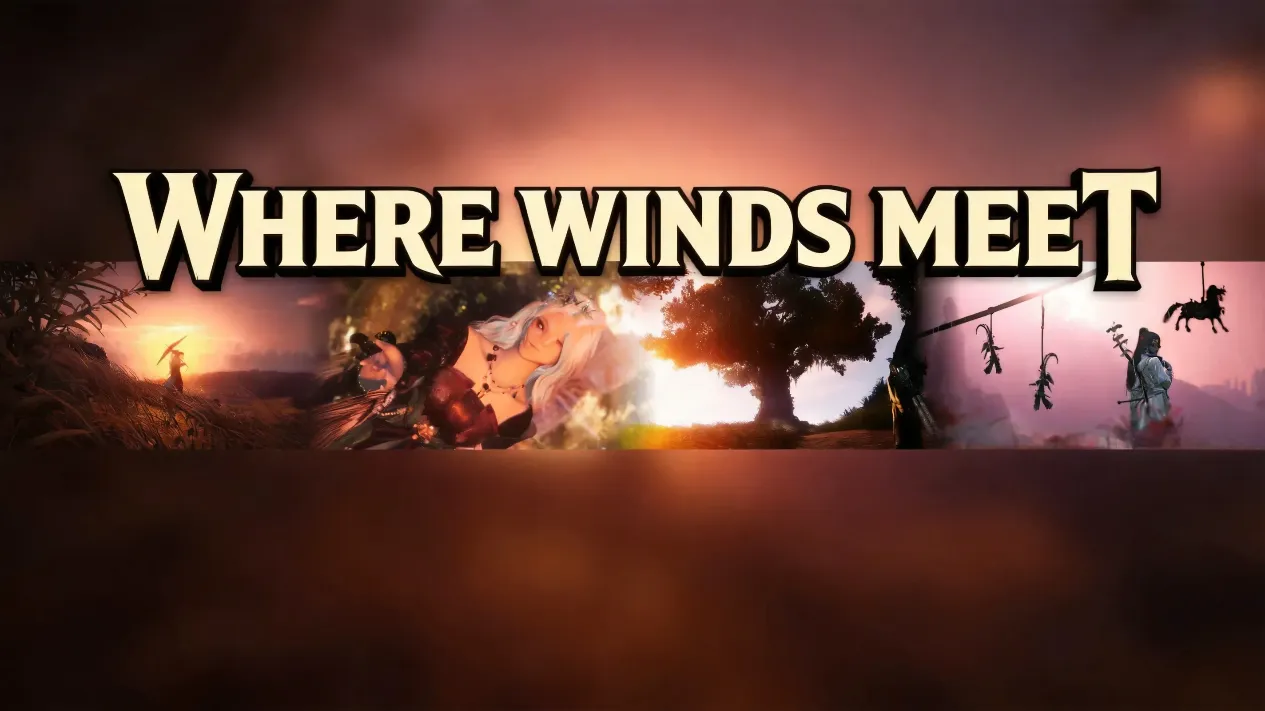
In 2026, Where Winds Meet continues to expand its v2.2 narrative, and one scene still dominates community discussion: the Young Master of Heaven's Pier cornered during the Void King pursuit flashback. Most players feel the emotional punch. Yet few realize this moment echoes the real-world fragmentation after the Sixteen Prefectures were ceded to Khitan Liao. New arrivals often treat the chaos as mere backdrop instead of understanding why every betrayal hits so hard. Why does the game's political violence feel so intimate? Because Where Winds Meet is not using the Five Dynasties and Ten Kingdoms as wallpaper. It is rebuilding that era's moral wreckage piece by piece.
The Historical Foundation: Five Dynasties and the Era of Chaos
Setting the journey in 962 AD, Where Winds Meet resurrects the notoriety of the Five Dynasties and Ten Kingdoms era—a time when, as the game's own lore insists, generals betrayed emperors and honor was scarce. This turmoil is not mood-setting. It is encoded into every system and quest. The original Chinese title, Yan Yun Shi Liu Sheng, directly invokes the Sixteen Prefectures lost to Khitan, reminding veterans that each region crossed and reclaimed is layered with centuries of regret and ambition. For example, the tense surrender events around the Kingdom of Wuyue transform even minor side quests into countdowns against oblivion. The old order dissolves while the player carves a path through the debris.
The Protagonist and Core Story Factions
Stepping into the shoes of a youxia outsider lets players judge, join, or abandon any cause without default loyalties. The community values this design because it lets newcomers critically observe core story factions. During the Perilous Eminence arc, especially in the Hidden Mountain Finale, identity, sacrifice, and the consequences of trust are not only narrative themes but also literal gameplay challenges. Every NPC relationship changes depending on chosen actions.
| Faction | Role in the Narrative | Why It Matters |
|---|---|---|
| Northern Vow | Wang Qin's rebels desperately hold onto the Yan-Yun ideal. | Represents doomed loyalty and the memory of lost territory. |
| Aureate Pavilion | Masters of subterfuge from the shadows of Southern Tang. | Shapes events beyond the battlefield, proving that intelligence outlives armies. |
| Khitan Invaders | Military might putting constant pressure on alliances and city gates alike. | External force that turns internal betrayals into existential threats. |
Sects as Story: How Joinable Factions Deepen the Narrative
Avoid the rookie mistake of treating the 11–12 sects as flavorless skill trees. Each one—from Well of Heaven, with its Robin Hood justice rules, to Velvet Shade, with its stealth and assassination—is a stance inside the world's urgent moral debate. Ignoring a sect's Precepts and choosing skills solely for efficiency leads to awkward, underpowered builds and roleplay that feels hollow. Veterans track how a messy Inner Way affects both combat effectiveness and immersion. Choosing the Sectless route doubles down on individualism: players gain maximum story freedom but must invest significant effort into Skill Theft to keep pace mechanically. Is that not a perfect metaphor for a world where institutions have failed?
Wuxia Mechanics as Narrative Tools
Treat Skill Theft not just as a way to chase meta builds but as a living thesis: knowledge persists long after kingdoms topple. Observing rival masters, learning forbidden arts, or incorporating signature skills from other sects physicalizes the theme of reclaiming lost legacies. Likewise, the Jobs system and Guild Base construction turn survival, business-building, and healing into parallel narratives about what kind of hero—or survivor—a player becomes. The September 2026 addition of Transdust Ruins extraction mode makes these themes explicit. Raiding haunted ruins for manuals and escaping resonates with the entire Five Dynasties motif of scraping wisdom from the ashes.
Getting Started: Resources and Where to Go Next
In 2026, newcomers should begin by consulting the Where Winds Meet official site for all mainline patch notes, up-to-date event schedules, and the evolving v2.2 lore drops. This ensures nothing in the ongoing Hidden Mountain arc or limited questlines escapes attention. For those aiming to progress quickly toward high-Mastery raids or unlock traversal rewards unique to vertical exploration zones, planning an Echo Jade budget early is wise. Efficient resource usage can be supplemented through wwm top up services if skipping grind is worth it. Above all, study the setting before committing to any sect or weapon. In Where Winds Meet, mechanical optimization and storied immersion are inseparable. A build reflects a philosophy, and vice versa.
The game's ongoing success in 2026 proves that players crave more than spectacle. They want to feel the weight of history in every duel, every broken oath, and every reclaimed ruin. When the Young Master of Heaven's Pier falls, it is not just a cutscene. It is the Sixteen Prefectures falling again. It is the Five Dynasties repeating their oldest tragedy. And that is why Where Winds Meet's chaos cuts deeper than most wuxia adventures ever dare.

 English
 Arabic
 French
 Spanish
 Portuguese
 Turkish
 Dutch
 Italiano
 Russian
 Romaian
 Portuguese (Brazil)
 Greek